Mortgage Closing Cost Breakdown: What You Pay and Why
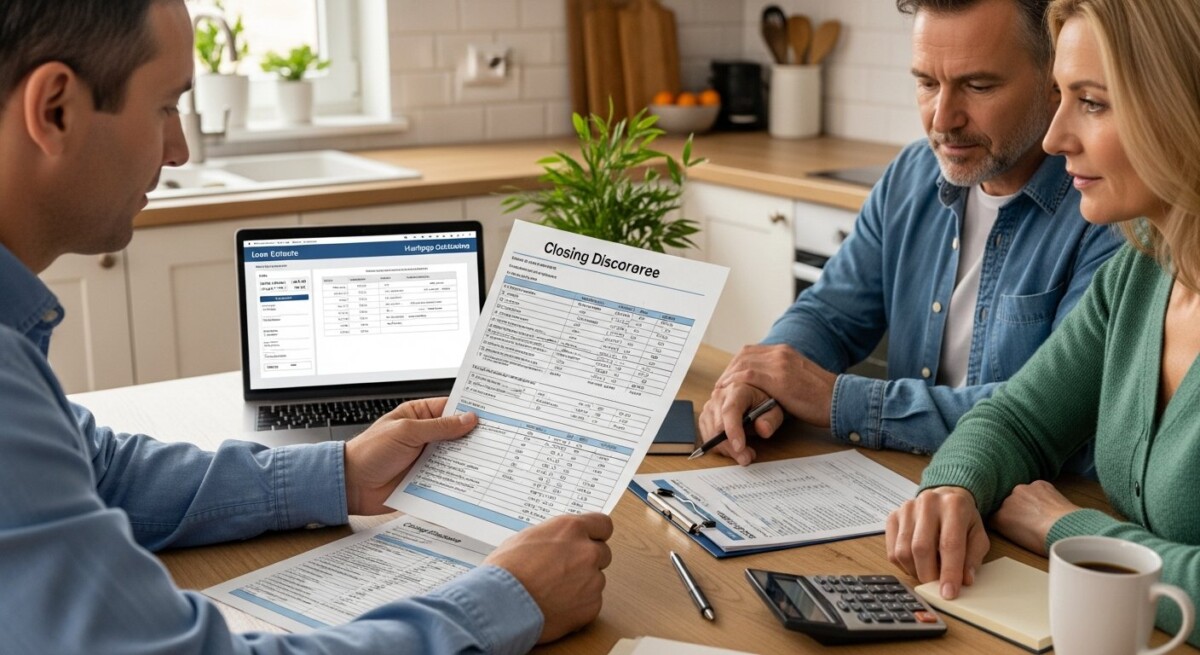

You have found a home you love, agreed on a price, and secured a loan offer. Then, your lender sends a document listing dozens of fees, and your head starts spinning. This moment is why so many people begin researching what is mortgage closing cost breakdown. Whether you are buying your first home, refinancing a current loan, or trying to lower your monthly payments, understanding these costs is the key to avoiding surprises and keeping more money in your pocket.
Understanding what is mortgage closing cost breakdown
A mortgage closing cost breakdown is simply a detailed list of every fee you must pay to finalize your home loan. Think of it as the final bill for all the services needed to process, approve, and fund your mortgage. These costs typically range from 2% to 5% of the loan amount, so on a $300,000 loan, you could be looking at $6,000 to $15,000 in fees.
The breakdown is split into several categories. You will see lender fees (like origination charges), third-party fees (such as appraisal and title insurance), prepaid items (like property taxes and homeowner’s insurance), and escrow deposits. Lenders are required to provide this breakdown on a form called the Loan Estimate when you apply, and again on the Closing Disclosure before you sign. Your goal is to review these documents carefully so there are no surprises on closing day.
People search for this term because they want to know exactly where their money is going. A clear breakdown helps you compare offers from different lenders, negotiate which fees you can reduce or waive, and budget for the total cash you need to bring to the table. Without this knowledge, you risk overpaying or being unprepared when it is time to close.
Common Fees in a Closing Cost Breakdown
To make the breakdown easier to understand, here are the most frequent fees you will see listed:
- Loan Origination Fee: A charge from the lender for processing your application, typically around 0.5% to 1% of the loan amount.
- Appraisal Fee: Payment to a professional who determines the home’s market value, usually $300,$600.
- Title Search and Insurance: Fees to verify the property has no ownership disputes and to protect you against future claims.
- Credit Report Fee: A small charge (around $30,$50) for pulling your credit history.
- Prepaid Interest: Daily interest from the closing date to the end of the month.
- Escrow Deposits: Money set aside for future property taxes and insurance payments.
Why Mortgage Rates and Loan Terms Matter
Your mortgage rate directly affects how much you pay each month and over the life of the loan. Even a difference of 0.5% can save you thousands of dollars. For example, on a $250,000 loan at 6% interest, your monthly payment is around $1,499. At 6.5%, that payment jumps to $1,580,an extra $81 per month, or nearly $30,000 over 30 years.
Loan terms also play a major role. A 30-year fixed-rate mortgage gives you lower monthly payments but more total interest. A 15-year term has higher monthly payments but saves you tens of thousands in interest. Your choice depends on your budget and how long you plan to stay in the home. Understanding this relationship helps you pick a loan that fits your financial life, not just the lowest rate you can find.
Comparing rates and terms from multiple lenders is the single best way to save money. Each lender sets its own rates and fees, and shopping around can reveal offers that save you hundreds at closing and thousands over time. In our guide on how the mortgage closing process works, we explain exactly what to look for when comparing offers.
If you are exploring home financing options, comparing lenders can help you find better rates. Request mortgage quotes or call to review available options.
Common Mortgage Options
Not all mortgages are the same. Lenders offer several types of loans to meet different financial situations and goals. Knowing your options helps you choose the one that aligns with your income, credit score, and down payment.
Here are the most common mortgage types you will encounter:
- Fixed-Rate Mortgage: Your interest rate stays the same for the entire loan term. Best for buyers who plan to stay in their home long-term and want predictable payments.
- Adjustable-Rate Mortgage (ARM): The rate is fixed for an initial period (usually 5, 7, or 10 years), then adjusts periodically based on market rates. Good for short-term homeowners or those who expect rates to drop.
- FHA Loan: Insured by the Federal Housing Administration, these loans allow lower down payments (as low as 3.5%) and are easier to qualify for with a lower credit score.
- VA Loan: Available to eligible veterans and active-duty military, these loans offer zero down payment and competitive rates, with no mortgage insurance requirement.
- Refinancing Loan: A new loan that replaces your current mortgage, often used to lower your rate, shorten your term, or switch from an ARM to a fixed rate.
How the Mortgage Approval Process Works
The journey from application to closing follows a clear series of steps. Understanding this process helps you prepare documents, avoid delays, and know what to expect at each stage.
- Credit Review: The lender checks your credit score and history to assess your risk as a borrower.
- Income Verification: You provide pay stubs, tax returns, and bank statements so the lender can confirm you can afford the loan.
- Loan Pre-Approval: Based on your financial snapshot, the lender gives you a written estimate of how much you can borrow.
- Property Evaluation: An appraiser inspects the home to confirm its value matches the purchase price.
- Final Loan Approval: After underwriting reviews all documents, the lender issues a final approval and prepares the closing documents.
Speaking with lenders can help you understand your eligibility and available loan options. Compare mortgage quotes here or call to learn more.
Factors That Affect Mortgage Approval
Lenders evaluate several key factors before approving your loan. Knowing what they look for helps you strengthen your application and improve your chances of getting approved with a favorable rate.
- Credit Score: Higher scores (740 or above) typically qualify for the best rates. Scores below 620 may limit your options or require a larger down payment.
- Income Stability: Lenders prefer borrowers with steady, verifiable income from employment or self-employment over at least two years.
- Debt-to-Income Ratio (DTI): This compares your monthly debt payments to your gross monthly income. Most lenders look for a DTI of 43% or lower.
- Down Payment Amount: A larger down payment reduces the lender’s risk and can eliminate the need for private mortgage insurance (PMI).
- Property Value: The appraised value must support the loan amount. If the home appraises for less than the purchase price, you may need to renegotiate or bring more cash.
What Affects Mortgage Rates
Mortgage rates are influenced by a mix of broad economic forces and your personal financial profile. Understanding these factors helps you time your application and improve your rate.
On a macro level, rates rise and fall based on inflation, the Federal Reserve’s policies, and investor demand for mortgage-backed securities. You cannot control these, but you can watch market trends and lock in a rate when conditions are favorable. On a personal level, your credit score, loan term, and down payment size all play a role. Borrowers with excellent credit and a 20% down payment typically receive the lowest rates.
The type of property also matters. Rates for a primary residence are usually lower than those for investment properties or vacation homes. Additionally, shorter loan terms (like 15 years) come with lower rates compared to 30-year loans. For a deeper look at how these factors interact, read our article on mortgage closing costs explained.
Mortgage rates can vary between lenders. Check current loan quotes or call to explore available rates.
Tips for Choosing the Right Lender
Selecting a lender is just as important as picking the right loan type. A good lender offers fair rates, clear communication, and a smooth closing process. Here are practical tips to help you choose wisely.
- Compare Multiple Lenders: Get quotes from at least three lenders, including banks, credit unions, and online lenders. This helps you see the range of rates and fees available.
- Review Loan Terms Carefully: Look beyond the interest rate,check the APR, which includes fees, and read the fine print about prepayment penalties or rate adjustment caps.
- Ask About Hidden Fees: Some lenders charge processing, underwriting, or document preparation fees that can be negotiated or waived.
- Check Customer Reviews: Look for feedback on responsiveness, clarity, and whether closings happened on time. A low rate is not worth endless delays.
Long-Term Benefits of Choosing the Right Mortgage
Selecting the right mortgage is not just about getting through closing day,it sets the foundation for your financial future. A well-chosen loan can lower your monthly payments, reduce total interest, and give you breathing room in your budget for other goals like retirement, education, or home improvements.
Over the life of a 30-year loan, even a 1% difference in rate can save you tens of thousands of dollars. If you choose a loan with no prepayment penalty, you can pay extra each month and cut years off your mortgage. Additionally, the right lender will offer ongoing support if you ever want to refinance or tap into your home equity.
In short, the time you spend now understanding closing costs, comparing lenders, and choosing the right terms pays off for decades. Our step-by-step guide on how the mortgage closing process works walks you through each stage so you can close with confidence.
What is included in a mortgage closing cost breakdown?
The breakdown includes lender fees (origination, processing, underwriting), third-party fees (appraisal, title search, credit report), prepaid items (property taxes, homeowner’s insurance, prepaid interest), and escrow deposits. Your lender must provide a Loan Estimate within three days of your application and a Closing Disclosure at least three days before closing.
Can I negotiate mortgage closing costs?
Yes. Many lender fees, such as origination and processing charges, are negotiable. You can ask the lender to waive or reduce certain fees, especially if you have a strong credit profile or are comparing offers from multiple lenders. Third-party fees like appraisal and title insurance are harder to negotiate, but you can shop for your own service providers in some cases.
How much are closing costs on a $300,000 mortgage?
Closing costs typically range from 2% to 5% of the loan amount. On a $300,000 loan, that means $6,000 to $15,000. The exact amount depends on your location, lender, loan type, and whether you are buying or refinancing. Your Loan Estimate will give you a personalized total.
Do I have to pay closing costs upfront?
Not always. You can pay closing costs out of pocket at closing, roll them into the loan amount (if allowed), or ask the seller to cover some costs in a purchase transaction. However, rolling costs into the loan increases your monthly payment and total interest. Some lenders also offer “no-closing-cost” mortgages, but they typically charge a higher interest rate in exchange.
How is the mortgage closing cost breakdown different from the Loan Estimate?
The Loan Estimate is an early disclosure you receive within three business days of applying. It shows estimated costs based on the loan you requested. The Closing Disclosure is the final document you receive at least three days before closing. It contains the actual fees and terms. Both documents use the same format so you can compare them easily.
What happens if closing costs are higher than expected?
If the final costs on your Closing Disclosure are significantly higher than the Loan Estimate, you have the right to ask for an explanation. Certain fees cannot increase, while others can change by up to 10%. If you see unexpected increases, discuss them with your lender before signing. You can also walk away from the loan if the terms are no longer acceptable.
Are closing costs tax deductible?
Some closing costs are tax deductible, but not all. Mortgage interest and property taxes are generally deductible. Points paid to lower your interest rate may also be deductible over the life of the loan. Fees like appraisal, title insurance, and recording fees are not deductible. Consult a tax professional for guidance specific to your situation.
How can I lower my mortgage closing costs?
Compare offers from multiple lenders to find the most competitive fees. Ask each lender to provide a detailed fee list and negotiate where possible. Consider a “no-closing-cost” loan if you plan to sell or refinance within a few years. You can also close later in the month to reduce prepaid interest, or ask the seller to contribute toward closing costs as part of your purchase offer.
Understanding your mortgage closing cost breakdown puts you in control of one of the biggest financial decisions of your life. Take the time to review every line item, ask questions, and compare offers from different lenders. The more you know, the more confident you will feel when you sign those final papers. Start your research today and request mortgage quotes from multiple lenders to see how much you can save.


About Landon Hayes
Recent Posts



Find The Best Rates