What Is Escrow in Mortgage Payments? A Clear Guide
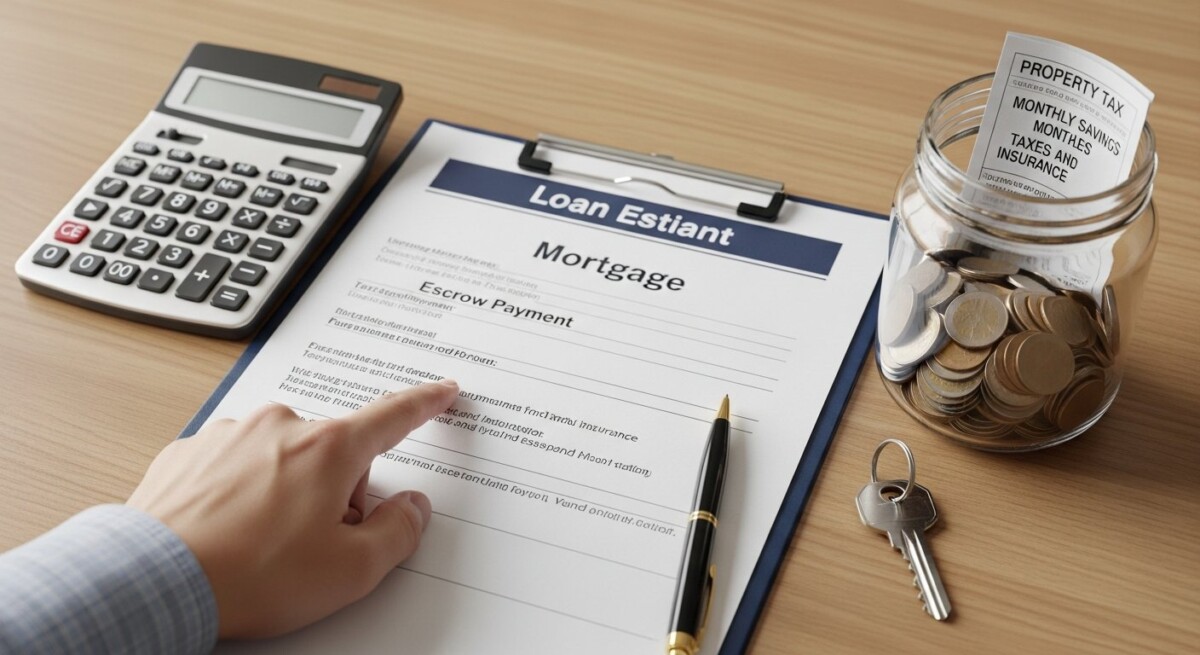

You have found the perfect home, made an offer, and are now sitting down to review your loan paperwork. As you look over the numbers, a line item catches your eye: “Escrow Payment.” This single term raises many questions. You are not alone if you find yourself searching for “what is escrow in mortgage payments” while planning to buy a home, refinance your current loan, or simply trying to lower your monthly bills. Understanding this concept is a key step toward feeling confident about your home financing decisions.
Understanding what is escrow in mortgage payments
In simple terms, escrow is a financial arrangement where a neutral third party holds funds on your behalf. When it comes to your mortgage, an escrow account is a special account set up by your lender to pay property taxes and homeowners insurance for you. Instead of facing one large annual bill for taxes or insurance, you pay a portion of these costs each month as part of your regular mortgage payment.
Your lender collects this money, holds it in the escrow account, and then pays the tax collector and insurance company when those bills are due. This system protects both you and the lender. It ensures that essential costs are paid on time, preventing a tax lien or a lapse in your insurance coverage. For many homeowners, this feels like a built-in savings plan that simplifies their annual budgeting.
How your monthly payment breaks down
Your total monthly mortgage payment is often referred to as PITI: Principal, Interest, Taxes, and Insurance. The escrow portion covers the Taxes and Insurance components. The lender calculates your estimated annual tax and insurance costs, divides that total by 12, and adds that amount to your principal and interest payment. While your principal and interest may be fixed, your escrow payment can change slightly each year if your property taxes or insurance premiums go up or down.
When you first set up an escrow account, you may need to pay a few months’ worth of taxes and insurance upfront. This initial deposit ensures there is enough money in the account when the first bills come due. For a deeper look at how all these parts fit together, explore our guide on what is escrow in mortgage payments a clear guide.
Why Mortgage Rates and Loan Terms Matter
The interest rate on your mortgage directly affects your monthly payment and the total cost of your loan over time. A lower interest rate means a smaller monthly payment and significantly less interest paid over 15 or 30 years. Even a difference of half a percentage point can save you thousands of dollars. The loan term, or the length of time you have to repay the loan, also plays a major role. A 15-year loan will have higher monthly payments but much lower total interest costs compared to a 30-year loan.
Your escrow payment is separate from your interest rate, but the two work together to determine your overall monthly budget. When you are comparing loan offers, it is essential to look at the total monthly payment, not just the principal and interest. A loan with a slightly higher rate but a lower escrow estimate might not be the best deal if your taxes are high. Taking the time to understand these numbers helps you plan your finances with confidence.
If you are exploring home financing options, comparing lenders can help you find better rates. Request mortgage quotes or call to review available options.
Common Mortgage Options
There are several types of home loans available, and each one has different requirements and benefits. Choosing the right one depends on your financial situation, how long you plan to stay in the home, and your comfort with risk. Most lenders offer a variety of options, so it pays to learn about the most common types before you apply.
Below is a list of the most popular mortgage types. Each option works differently, and some may require a larger down payment or a higher credit score than others. Your lender can help you determine which loan fits your needs best.
- Fixed-rate mortgages: Your interest rate stays the same for the entire loan term. This provides predictable monthly payments and is ideal for buyers who plan to stay in their home for many years.
- Adjustable-rate mortgages (ARMs): The interest rate is fixed for an initial period, then adjusts periodically based on market conditions. ARMs often start with a lower rate, but payments can increase over time.
- FHA loans: Insured by the Federal Housing Administration, these loans allow for lower down payments and are more flexible with credit scores. They are popular among first-time homebuyers.
- VA loans: Available to eligible veterans, active-duty service members, and surviving spouses. These loans often require no down payment and have competitive interest rates.
- Refinancing loans: This option replaces your current mortgage with a new one, often to secure a lower interest rate, change the loan term, or switch from an ARM to a fixed-rate loan.
How the Mortgage Approval Process Works
The mortgage approval process can feel overwhelming, but understanding the basic steps can help you prepare. Lenders follow a series of checks to ensure you can afford the loan and that the property is worth the purchase price. Being organized and knowing what to expect can speed up the process and reduce stress.
Here is the typical sequence of steps you will go through when applying for a mortgage:
- Credit review: The lender checks your credit score and credit report to see your history of paying debts.
- Income verification: You provide pay stubs, tax returns, and bank statements to prove you have a steady income.
- Loan pre-approval: The lender reviews your financial information and gives you an estimate of how much you can borrow.
- Property evaluation: An appraiser assesses the home’s value to make sure it matches the loan amount.
- Final loan approval: Once all conditions are met, the lender approves the loan and funds are sent to closing.
Speaking with lenders can help you understand your eligibility and available loan options. Compare mortgage quotes here or call to learn more.
Factors That Affect Mortgage Approval
Lenders want to know that you will repay your loan on time. They evaluate several key factors to determine your risk level. Understanding these factors can help you improve your chances of approval and secure a better interest rate.
The following are the main elements lenders consider when reviewing your application:
- Credit score: A higher score shows you manage credit responsibly. Most lenders look for a score of 620 or higher, though some loan types have different minimums.
- Income stability: Lenders prefer borrowers with a steady employment history. Two years of consistent income in the same field is generally viewed favorably.
- Debt-to-income ratio (DTI): This compares your monthly debt payments to your gross monthly income. A lower DTI indicates you have room in your budget for a mortgage payment.
- Down payment amount: A larger down payment reduces the lender’s risk and may help you avoid private mortgage insurance (PMI).
- Property value: The home must appraise for at least the purchase price. If it appraises lower, you may need to negotiate or bring more cash to the table.
What Affects Mortgage Rates
Mortgage rates change constantly based on a variety of factors. Some of these factors are within your control, while others are driven by the broader economy. Knowing what influences your rate can help you time your application and negotiate with lenders.
Market conditions are one of the biggest drivers of mortgage rates. When the economy is strong and inflation is high, rates tend to rise. When the economy slows, rates often fall. Your personal financial profile also plays a major role. Borrowers with excellent credit and a low debt-to-income ratio typically receive the lowest rates. The type of property you are buying matters too. A single-family home that you plan to live in will usually have a lower rate than an investment property or a vacation home.
Mortgage rates can vary between lenders. Check current loan quotes or call to explore available rates.
Tips for Choosing the Right Lender
Selecting the right lender is just as important as choosing the right loan. A good lender will guide you through the process, answer your questions, and offer competitive rates. Taking the time to shop around can save you thousands of dollars over the life of your loan.
Consider the following tips when evaluating lenders:
- Compare multiple lenders: Get quotes from at least three different lenders to see how rates and fees vary.
- Review loan terms carefully: Look beyond the interest rate. Check the loan term, prepayment penalties, and whether the rate is fixed or adjustable.
- Ask about hidden fees: Some lenders charge origination fees, processing fees, or underwriting fees. Ask for a full list before you commit.
- Check customer reviews: Read reviews from other borrowers to see how the lender communicates and handles problems.
For a clear breakdown of how your total payment is calculated, read our resource on how to calculate mortgage payments a clear guide.
Long-Term Benefits of Choosing the Right Mortgage
Making a wise mortgage choice today can pay off for decades. When you select a loan that fits your budget and lifestyle, you gain financial stability and peace of mind. The right mortgage helps you build equity in your home, which is one of the most powerful ways to build long-term wealth.
A lower monthly payment gives you more room in your budget for other goals, such as saving for retirement, funding education, or making home improvements. Over time, the savings from a competitive interest rate add up significantly. By avoiding costly mistakes like adjustable-rate loans with rising payments or loans with high fees, you protect your financial future. Understanding concepts like escrow and how interest rates work puts you in control of your homeownership journey.
What happens to escrow when you refinance?
When you refinance your mortgage, your old escrow account is typically closed, and the remaining balance is refunded to you. Your new lender will set up a fresh escrow account and may require an initial deposit to cover upcoming taxes and insurance. This is a normal part of the process and is factored into your refinancing costs.
Can I cancel my escrow account?
Some lenders allow you to cancel your escrow account once you have at least 20 percent equity in your home and a good payment history. However, not all loans permit this. FHA loans, for example, require escrow for the life of the loan. If you cancel, you become responsible for paying taxes and insurance directly.
Do I need an escrow account for a refinance?
It depends on your lender and your loan type. Many lenders require escrow accounts for refinances, especially if you have less than 20 percent equity. Some lenders offer the option to waive escrow if you meet certain criteria, but this may come with a higher interest rate or a fee.
How often does the escrow payment change?
Your lender reviews your escrow account once a year. If your property taxes or insurance premiums increase, your monthly escrow payment will go up to cover the difference. If costs decrease, your payment may go down, or you may receive a refund of the surplus.
What is an escrow shortage?
An escrow shortage occurs when the money in your account is not enough to pay your tax or insurance bills. This can happen if taxes or insurance costs rise unexpectedly. Your lender will notify you and may offer two options: pay the shortage in a lump sum or spread the extra amount across your monthly payments for the next year.
Does my credit score affect my escrow payment?
Your credit score does not directly affect your escrow payment amount. However, a lower credit score can lead to a higher interest rate on your mortgage, which increases your principal and interest payment. The escrow portion is based solely on your property taxes and insurance costs.
Can I pay my own taxes and insurance instead of using escrow?
Some lenders allow this if you make a large down payment and have strong credit. You would need to request an escrow waiver. Keep in mind that paying your own bills requires discipline and careful budgeting to avoid a lapse in coverage or a late tax payment.
Why did my escrow payment go up after my first year?
This is common. Your initial escrow payment was based on an estimate of your taxes and insurance. After the first year, the lender adjusts the payment to match the actual costs. If your property taxes or insurance were higher than estimated, your monthly payment will increase.
Exploring your loan options before making a commitment can save you money and stress. Take the next step by comparing mortgage quotes from multiple lenders. A few minutes of research today can lead to a more affordable home loan and a brighter financial future.


About Landon Hayes
Recent Posts



Find The Best Rates