Charlotte NC Mortgage Guide: Rates and Tips for 2026
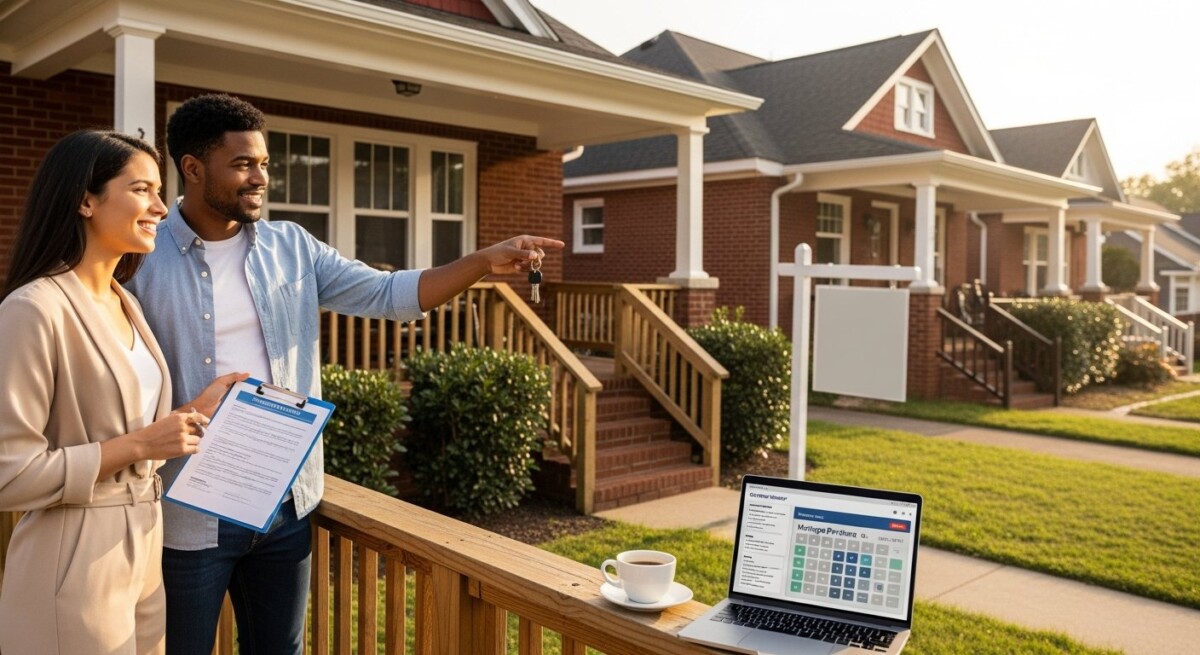

Buying a home in Charlotte, North Carolina, is an exciting milestone, but the financing side can feel overwhelming. With a booming job market, a vibrant food scene, and neighborhoods ranging from historic Dilworth to bustling South End, it is no surprise that the Queen City attracts buyers from all over the country. However, securing the right mortgage Charlotte North Carolina requires more than just picking the first lender you find. It demands a clear understanding of local market trends, loan products, and the financial preparation that puts you in a strong negotiating position.
Whether you are a first-time buyer trying to decode down payment requirements or a current homeowner looking to refinance, your goal is the same: secure a loan that fits your budget without surprise costs. This guide breaks down the essential steps, from checking your credit to comparing lender quotes, so you can move through the process with confidence. We will also highlight common pitfalls to avoid, ensuring that your path to homeownership is as smooth as possible.
Why Charlotte’s Housing Market Demands Smart Financing
Charlotte has experienced steady population growth, driving demand for housing across Mecklenburg County and the surrounding suburbs. This demand keeps home values appreciating, but it also means buyers need to act decisively when they find the right property. Unlike slower markets where you have time to deliberate, a competitive Charlotte market often requires you to have your financing pre-approved before you even start touring homes.
Local economic anchors like Bank of America and Truist, along with a thriving tech and energy sector, bring well-paid professionals to the area. This influx supports a strong rental market too, but for those ready to build equity, owning is often the better long-term move. Still, with property taxes and insurance rates varying by neighborhood, the true cost of ownership goes beyond the principal and interest payment. A smart financing strategy accounts for these variables, ensuring your monthly payment remains sustainable.
To see how homeownership stacks up against renting in your specific situation, you can use a detailed mortgage vs renting cost comparison to evaluate long-term savings. This kind of analysis helps you decide whether the stability of a fixed-rate payment outweighs the flexibility of renting in a fast-growing city.
Preparing Your Finances Before You Apply
Before you fall in love with a craftsman bungalow in Plaza Midwood or a modern condo in Uptown, you need to get your financial house in order. Lenders look at more than just your credit score; they evaluate your entire financial profile, including your debt-to-income ratio (DTI), employment history, and available assets. Taking the time to strengthen these areas can mean the difference between a standard loan approval and a great interest rate.
Start by pulling your credit report from all three major bureaus and reviewing them for errors. A simple mistake, like an old collection account that was paid off but not updated, can drag your score down unnecessarily. If you find errors, dispute them with the bureau and the creditor. Next, calculate your DTI by dividing your monthly debt payments by your gross monthly income. Most conventional lenders prefer a DTI below 43%, though some loan programs allow higher ratios.
Here are three key steps to prepare your application:
- Save for a larger down payment: While 3% down is possible on conventional loans, putting down 10% or 20% can eliminate private mortgage insurance (PMI) and lower your monthly payment.
- Avoid large purchases: Do not buy a new car or finance furniture before closing. This changes your DTI and can delay or derail your approval.
- Stabilize your income: If you are self-employed or work on commission, have two years of tax returns and profit-and-loss statements ready to prove consistent earnings.
If your income is not the traditional W-2 structure, you might wonder about your options. Many Charlotte lenders have specific products for independent workers, and understanding those requirements is vital. Fortunately, there are proven strategies to navigate this, and you can learn about self-employed mortgage qualification tips that address unique income documentation needs. Lenders are not necessarily against self-employed borrowers; they just need more proof of stability.
Choosing Between Loan Types in North Carolina
North Carolina offers a variety of loan programs, each designed for different financial situations. The most common choice is the conventional 30-year fixed-rate mortgage, which offers predictable payments and is ideal for buyers planning to stay in their home for more than five years. If you are looking for lower initial payments, an adjustable-rate mortgage (ARM) might be tempting, but it carries the risk of higher payments when the rate adjusts.
For buyers with limited down payment funds or lower credit scores, government-backed loans are a strong alternative. An FHA loan requires as little as 3.5% down and is more forgiving of credit blemishes. VA loans, available to military service members and veterans, often require no down payment at all and have competitive interest rates. USDA loans are another option for properties in designated rural areas, offering 100% financing to eligible buyers.
Each loan type has its own insurance requirements and closing cost structures. For example, FHA loans require an upfront mortgage insurance premium (MIP) in addition to annual premiums, which can make them more expensive over time than conventional loans with PMI. A knowledgeable loan officer can help you model the total cost of each option, not just the monthly payment, so you can make an informed choice.
The Real Cost of Closing and Property Taxes
Beyond the down payment, buyers in Charlotte must budget for closing costs, which typically range from 2% to 5% of the purchase price. These costs include the appraisal fee, title search, attorney fees, and lender origination charges. While some sellers offer concessions to cover these expenses, that is not always possible in a hot market where multiple offers are common.
Property taxes in Mecklenburg County are calculated based on the assessed value of your home. The current rate is competitive compared to other major metros, but it is important to factor this into your monthly escrow payment. Homeowners insurance is another mandatory cost, and given the risk of severe weather in the Southeast, premiums can vary significantly by zip code. Your lender will require an escrow account to pay these bills on your behalf, which means your monthly payment includes more than just the loan principal and interest.
To avoid surprises, ask your lender for a detailed Loan Estimate (LE) that itemizes all closing costs and prepaid items. This document is standardized by law, making it easy to compare offers from different lenders. If one quote seems high, you can negotiate or ask the lender to match a competitor’s fees. Remember, a lower interest rate is not always the best deal if the origination fees are exorbitant.
How to Compare Lenders and Rates
When you start shopping for a mortgage Charlotte North Carolina, you will quickly notice that rates vary from lender to lender. This is why comparison shopping is essential. A difference of even 0.25% in your interest rate can save you thousands of dollars over the life of the loan. However, you should not focus solely on the rate; the annual percentage rate (APR) gives a more complete picture because it includes the interest rate plus lender fees and points.
You can apply with multiple lenders within a 45-day window, and credit bureaus will count these inquiries as a single pull. This allows you to shop around without damaging your credit score. When you receive quotes, compare the APR, the total closing costs, and the lender’s reputation for customer service. A slightly higher rate from a lender with a reputation for on-time closings might be worth the extra money if it prevents a delayed settlement.
Another consideration is whether to work with a mortgage broker or a direct lender. Brokers have access to multiple wholesale lenders and can often find better rates for borrowers with unique profiles. Direct lenders, such as banks or credit unions, keep the loan in-house and may offer relationship discounts. For most buyers, using an online marketplace to compare multiple offers at once is the most efficient way to find a competitive deal.
Refinancing Opportunities in Charlotte
Homeowners in Charlotte are not just buying; many are refinancing to take advantage of lower rates or to tap into their home equity. If you purchased your home when rates were higher, a refinance could lower your monthly payment significantly. Even a 1% rate reduction can save hundreds of dollars each month, and that money can be redirected toward savings or home improvements.
Cash-out refinancing is another popular strategy, especially for those who have built substantial equity. With home values rising, many homeowners have more equity than they realize. This allows them to consolidate high-interest credit card debt or fund a major renovation. However, it is crucial to understand that a cash-out refinance increases your loan balance, which resets your amortization schedule and may extend the life of your loan.
Before deciding whether to refinance, consider the break-even point. Divide the total closing costs of the new loan by your monthly savings to determine how many months it will take to recoup the expense. If you plan to move in two years, a refinance might not make sense. But if you plan to stay for five years or more, the long-term savings can be substantial. For those weighing different payment structures, understanding the difference between cash vs mortgage financing can clarify whether keeping your liquid assets invested is better than tying them up in your home.
Working with a Mortgage Professional
The mortgage process involves a lot of paperwork, from bank statements and tax returns to proof of employment and asset verification. While it is possible to do it alone, working with a professional can simplify the process and help you avoid costly mistakes. A good loan officer will not only find you the best rate but will also guide you through the underwriting process, ensuring that your file is clean and complete before submission.
When choosing a loan officer, ask about their experience with Charlotte-specific programs. Some local lenders offer down payment assistance programs for first-time buyers, which can be combined with conventional or FHA loans. These programs can provide thousands of dollars in grants or forgivable loans, making homeownership more accessible for those with limited savings.
Transparency is key. A reputable lender will provide you with a Good Faith Estimate or Loan Estimate early in the process and will explain any fees they charge. They should also be responsive to your questions and proactive in updating you on your loan status. If a lender is slow to respond or gives vague answers, that is a red flag. You want a partner who is as invested in closing your loan as you are.
Ultimately, the goal is to secure a mortgage that fits your budget and supports your financial future. By preparing your finances, understanding your loan options, and comparing quotes from multiple lenders, you can navigate the Charlotte market with confidence. The effort you put in before you apply will pay off in the form of lower costs and fewer headaches on closing day.


About Landon Hayes
Recent Posts



Find The Best Rates