7 Reverse Mortgage Disadvantages You Must Know
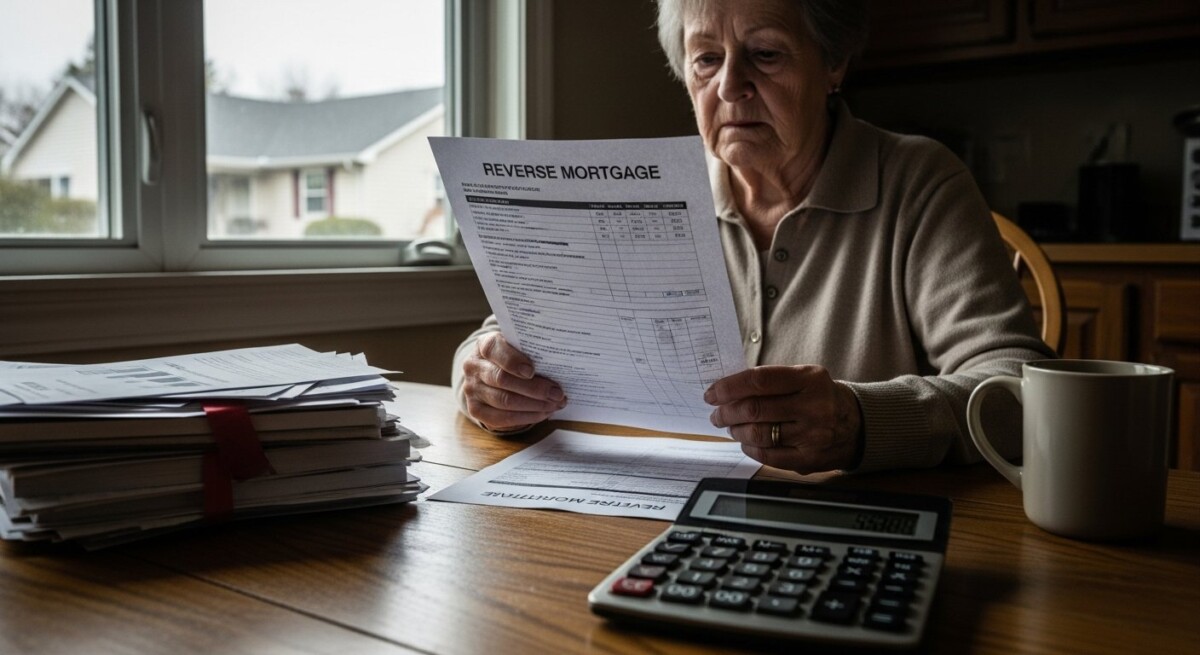

Reverse mortgages can seem like a financial lifeline for seniors who need cash but have most of their wealth tied up in their home. However, these loans come with hidden costs, strict rules, and long-term consequences that can shock unprepared homeowners. Before you sign any paperwork, it is essential to understand the major reverse mortgage disadvantages that could affect your finances, your family, and your future living situation.
High Fees and Upfront Costs
The most immediate disadvantage of a reverse mortgage is the steep cost of getting one. Unlike a typical home loan, reverse mortgages often carry higher origination fees, mortgage insurance premiums, and third-party closing costs. These expenses are usually financed into the loan, meaning you pay interest on them for the life of the loan.
Here are the most common fees you can expect:
- Origination fee: Up to $6,000 or 2% of the home value, whichever is less, though some lenders charge the maximum allowed by the Federal Housing Administration (FHA).
- Mortgage insurance premium (MIP): An initial 2% of the home value at closing, plus an annual 0.5% of the outstanding loan balance.
- Third-party fees: Appraisal, title search, recording, and credit report fees can add another $1,000 to $3,000.
These upfront costs can eat away at your available equity from day one. For example, on a $300,000 home, you might pay $6,000 in origination fees and $6,000 in upfront MIP, leaving only $288,000 in net proceeds before accounting for any existing mortgage payoff. Over time, as interest compounds on those financed fees, the total loan balance can grow far beyond what you initially borrowed.
Impact on Your Heirs and Inheritance
One of the most painful reverse mortgage disadvantages is what happens to your home after you pass away or move out permanently. The loan becomes due in full, and your heirs must either repay the balance or sell the property within a limited timeframe. If the home has appreciated, any remaining equity goes to your family, but if the loan balance exceeds the home value, your heirs are not required to pay the difference thanks to the non-recourse feature. However, they may still lose the home entirely.
This arrangement can leave your children with a difficult decision and possibly no inheritance from the property. To better understand your family’s obligations, read our detailed guide on heir repayment responsibilities. It explains the timeline, options, and protections available to your heirs.
Strict Ongoing Obligations
A reverse mortgage is not a free pass to ignore homeownership duties. Borrowers must continue to pay property taxes, homeowners insurance, and maintain the home in good condition. If you fall behind on any of these, the lender can declare the loan due and payable, leading to foreclosure.
The key obligations include:
- Property taxes: Pay on time every year; missed payments risk default.
- Homeowners insurance: Maintain a policy that covers the full replacement cost.
- Property maintenance: Keep the home structurally sound and avoid deferred maintenance that lowers its value.
Many seniors on fixed incomes struggle to meet these costs, especially as property taxes and insurance rates rise. If you use a lump sum from the reverse mortgage to pay off other debts but then fail to budget for ongoing expenses, you could lose your home within a few years. This is one of the most common reverse mortgage disadvantages that borrowers overlook during the excitement of receiving cash.
Reduced Home Equity and Limited Loan Proceeds
Because interest accrues on the loan balance every month, your home equity steadily decreases over time. Even if you never take a lump sum and only receive monthly payments, the loan balance grows. This erosion of equity means you have less financial flexibility later, whether you want to sell, move to assisted living, or leave an inheritance.
Additionally, the amount you can borrow is far less than the full value of your home. The loan limit for Home Equity Conversion Mortgages (HECMs) in 2026 is $1,149,825 for high-cost areas, but the actual proceeds depend on your age, the interest rate, and the appraised value. Younger borrowers (age 62 to 70) receive much less than older borrowers. For a clear breakdown of how age affects eligibility and proceeds, see our comprehensive guide on the reverse mortgage age requirement. Many seniors are surprised to learn they can only access 40% to 60% of their home equity in the first year due to FHA rules.
Complexity and Potential for Misunderstanding
Reverse mortgages are among the most complex loan products on the market. Federal law requires mandatory counseling from a HUD-approved counselor, but even after that session, many borrowers do not fully grasp the terms. The loan documents are filled with fine print about interest rate adjustments, repayment triggers, and non-recourse clauses.
Common misunderstandings include thinking the lender owns the home, believing no repayment is ever required, or assuming the loan balance cannot exceed the home value. In reality, the borrower retains title, but the loan must be repaid when the last borrower permanently moves out, sells, or dies. The interest rate is typically adjustable, meaning your monthly payments (if you take them) can vary over time. These complexities make it easy to sign up without realizing the long-term costs, which is one of the most dangerous reverse mortgage disadvantages for seniors who are not financially sophisticated.
Effects on Government Benefits
While reverse mortgage proceeds are generally not taxable, they can affect your eligibility for need-based government programs like Medicaid and Supplemental Security Income (SSI). If you receive a lump sum or large monthly payments, the cash may count as an asset and push you over the program’s resource limits. This can reduce or eliminate your benefits for medical care, food assistance, or housing subsidies.
For seniors who rely on these programs, even a small increase in countable assets can have serious consequences. It is crucial to consult with an elder law attorney or benefits specialist before taking out a reverse mortgage. The potential loss of Medicaid coverage for nursing home care is one of the most overlooked reverse mortgage disadvantages, as many borrowers assume the loan has no impact on public assistance.
When Selling the Home Becomes Difficult
If you decide to sell your home after taking a reverse mortgage, you must use the sale proceeds to repay the loan balance in full. If the balance is high and the home value has not appreciated enough, you may walk away with little or no cash. This can trap you in a home you no longer want or need, especially if health issues or a desire to downsize arise.
Selling a home with an active reverse mortgage is possible, but the process has specific rules. For a step-by-step explanation, refer to our article on selling a house with a reverse mortgage. It covers the mandatory payoff period, options for short sales, and what happens if the sale price is less than the loan balance.
Recognizing these reverse mortgage disadvantages does not mean the product is always a bad choice. For some seniors with ample equity and a long-term plan to stay in the home, it can provide needed cash flow. However, the drawbacks are significant and often permanent. Before committing, explore all alternatives: a home equity line of credit (HELOC), a cash-out refinance, downsizing, or assistance programs. Use the mortgage calculators and lender comparison tools at MortgageZone to run the numbers. An informed decision is your best protection against costly surprises.


About Landon Hayes
Recent Posts


Find The Best Rates