Can You Apply for a Mortgage Without a Down Payment?
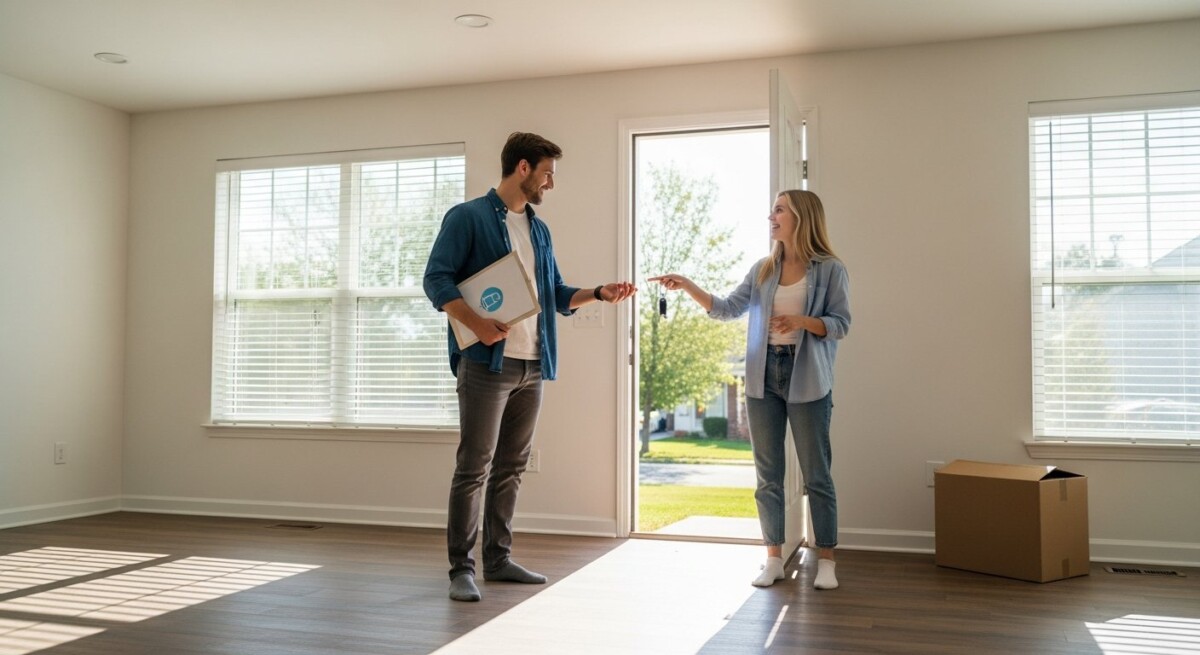

You have found the perfect home, but the thought of saving tens of thousands of dollars for a down payment stops you cold. You are not alone. Many people begin researching can you apply mortgage without down payment when they realize that a 20 percent deposit is not realistic for their budget. Understanding your options early can save you time, money, and stress as you plan your next move.
Understanding Can You Apply Mortgage Without Down Payment
When people ask can you apply mortgage without down payment, they are really asking whether a lender will finance the full purchase price of a home. The short answer is yes,certain loan programs allow you to borrow 100 percent of the home’s value. This is often called a zero-down mortgage.
These loans exist because the government and some lenders want to make homeownership more accessible. Instead of requiring you to save for years, they evaluate your credit history, income stability, and ability to repay the loan. The trade-off is that you may pay a slightly higher interest rate or need mortgage insurance to protect the lender.
It is important to note that a zero-down mortgage does not mean you pay nothing at closing. You will still need to cover closing costs, which usually range from 2 to 5 percent of the loan amount. However, these costs can sometimes be rolled into the loan or covered by the seller.
Who Qualifies for a Zero-Down Mortgage?
Qualification depends on the specific loan program. For example, VA loans are available to eligible veterans and active-duty military members with no down payment required. USDA loans offer zero-down financing for homes in designated rural areas. Some conventional loans also allow low or zero down payments if you have excellent credit and a strong income history.
Why Mortgage Rates and Loan Terms Matter
Even if you qualify for a zero-down mortgage, the interest rate and loan term will directly affect your monthly payment and long-term costs. A lower rate means you pay less each month and save thousands over the life of the loan. A higher rate can make a no-down-payment loan more expensive than you expect.
Loan terms also matter. A 30-year fixed-rate mortgage gives you lower monthly payments but more total interest compared to a 15-year term. Choosing the right combination of rate and term can help you build equity faster and keep your budget manageable.
Before you commit, take time to compare offers from multiple lenders. Even a small difference in rate can add up to significant savings. In our guide on Can You Get a Mortgage with Bad Credit? A Practical Guide, we explain how your credit profile affects the rates you are offered.
If you are exploring home financing options, comparing lenders can help you find better rates. Request mortgage quotes or call to review available options.
Common Mortgage Options
Not all mortgages are the same. Understanding the most common types helps you choose the one that fits your financial situation. Here are the main options you will encounter:
- Fixed-rate mortgages , The interest rate stays the same for the entire loan term, making your monthly payment predictable. This is a good choice if you plan to stay in the home for many years.
- Adjustable-rate mortgages (ARMs) , The rate starts lower than a fixed-rate loan but can change after an initial period. ARMs may work if you plan to sell or refinance before the rate adjusts.
- FHA loans , Insured by the Federal Housing Administration, these loans allow down payments as low as 3.5 percent. They are popular with first-time buyers who have moderate credit.
- VA loans , Available to veterans and active-duty military, VA loans offer zero-down financing and competitive rates. No private mortgage insurance is required.
- USDA loans , Designed for rural homebuyers, USDA loans also offer zero-down payment options for eligible properties and borrowers.
- Refinancing loans , If you already own a home, refinancing can lower your rate, reduce your monthly payment, or change your loan term.
Each option has different requirements and benefits. A lender can help you determine which type matches your goals. If you have a lower income, you may also want to check our guide on Can You Get a Mortgage with Low Income? A Clear Guide for additional strategies.
How the Mortgage Approval Process Works
The approval process may seem complex, but it follows a clear sequence. Knowing what to expect can reduce anxiety and help you prepare.
- Credit review , Lenders check your credit score and report to see how you have managed debt in the past. A higher score improves your chances of approval and better rates.
- Income verification , You will need to provide pay stubs, tax returns, and bank statements. Lenders want proof that you have a steady income to cover monthly payments.
- Loan pre-approval , Based on your credit and income, the lender gives you a pre-approval letter showing how much you can borrow. This helps you shop for homes within your budget.
- Property evaluation , An appraiser inspects the home to confirm its value matches the purchase price. The lender uses this to ensure the loan amount is reasonable.
- Final loan approval , After all documents are reviewed and the property passes inspection, the lender approves the loan. You then sign the final paperwork and receive the funds at closing.
Speaking with lenders can help you understand your eligibility and available loan options. Compare mortgage quotes here or call to learn more.
Factors That Affect Mortgage Approval
Lenders evaluate several factors before approving a loan. Even if you qualify for a zero-down program, you still need to meet certain standards.
- Credit score , Most lenders prefer a score of 620 or higher for conventional loans. FHA and VA loans may accept lower scores.
- Income stability , You need a steady job or source of income. Lenders typically look for at least two years of consistent earnings.
- Debt-to-income ratio (DTI) , This compares your monthly debt payments to your gross monthly income. Most lenders want a DTI below 43 percent.
- Down payment amount , Even with zero-down programs, a larger down payment can improve your terms. For conventional loans, a smaller down payment usually means paying private mortgage insurance.
- Property value , The home must appraise for at least the purchase price. If it appraises lower, you may need to renegotiate or bring extra cash.
What Affects Mortgage Rates
Interest rates are not random. They are influenced by several factors, some within your control and others tied to the broader economy.
Market conditions , When the economy is strong, rates tend to rise. When it slows, rates often fall. Watching economic news can help you time your application.
Credit profile , Your credit score and history are among the biggest factors. A higher score usually earns you a lower rate. Paying down debt and correcting errors on your credit report can help.
Loan term , Shorter terms like 15 years usually have lower rates than 30-year loans. However, the monthly payment is higher because you pay off the loan faster.
Property type , Rates may be slightly higher for investment properties or vacation homes compared to a primary residence. Owner-occupied homes generally receive the best rates.
Mortgage rates can vary between lenders. Check current loan quotes or call to explore available rates.
Tips for Choosing the Right Lender
Choosing a lender is just as important as choosing the right loan. A good lender will guide you through the process and help you find the best terms.
- Compare multiple lenders , Rates and fees vary widely. Getting at least three quotes can save you thousands over the life of the loan.
- Review loan terms carefully , Look beyond the interest rate. Check the loan term, prepayment penalties, and whether the rate is fixed or adjustable.
- Ask about hidden fees , Origination fees, processing fees, and closing costs can add up. Ask for a full fee breakdown before you commit.
- Check customer reviews , Look for a lender with a reputation for clear communication and on-time closings. Online reviews and referrals from friends can help.
If you are considering refinancing, our guide on Can You Refinance Mortgage Early? A Practical Guide provides useful insights into timing and costs.
Long-Term Benefits of Choosing the Right Mortgage
Selecting the right mortgage does more than help you buy a home,it sets you up for long-term financial success. A loan with affordable payments leaves room in your budget for savings, retirement, and emergencies.
Lower monthly payments mean you can build an emergency fund or invest in home improvements that increase your property’s value. Over time, paying down your mortgage builds equity, which is a valuable asset you can tap later through a home equity loan or sale.
Financial stability also improves your credit profile, making it easier to qualify for future loans or better rates. Whether you choose a zero-down mortgage or a conventional loan, the key is picking terms that fit your long-term goals.
Frequently Asked Questions
Can I really get a mortgage with no down payment?
Yes, certain government-backed loans like VA and USDA loans offer zero-down payment options. Some conventional loans also allow low down payments, but you may need to pay private mortgage insurance.
What credit score do I need for a no-down-payment mortgage?
Requirements vary by loan type. VA loans have no official minimum, but most lenders prefer a score of 620 or higher. USDA loans typically require a score of at least 640.
Are there any hidden costs with a zero-down mortgage?
You will still need to pay closing costs, which can range from 2 to 5 percent of the loan amount. Some lenders allow you to roll these costs into the loan or negotiate for the seller to cover them.
How do I qualify for a VA loan?
You must be an eligible veteran, active-duty service member, or surviving spouse. You will need a Certificate of Eligibility from the Department of Veterans Affairs. No down payment or private mortgage insurance is required.
What is the difference between a fixed-rate and adjustable-rate mortgage?
A fixed-rate mortgage keeps the same interest rate for the entire loan term, so your payment stays predictable. An adjustable-rate mortgage starts with a lower rate that can change after a set period, which may increase your payment later.
Can I use a zero-down mortgage for an investment property?
No, zero-down programs like VA and USDA loans are for primary residences only. Investment properties typically require a down payment of at least 15 to 20 percent.
How long does the mortgage approval process take?
The process usually takes 30 to 45 days from application to closing. Delays can happen if documents are missing or if the property appraisal takes longer than expected.
Should I compare lenders even if I already have a pre-approval?
Yes, comparing lenders can still save you money. Rates and fees differ, and a better offer could lower your monthly payment or reduce closing costs.
Exploring your mortgage options does not have to be overwhelming. Whether you are looking at zero-down loans or traditional financing, taking the time to compare lenders and understand your choices puts you in control. Requesting mortgage quotes from multiple sources helps you see what is available and select the loan that fits your life and budget.


About Landon Hayes
Recent Posts


Find The Best Rates