Home Loans Miami Florida: A Practical Guide for Buyers
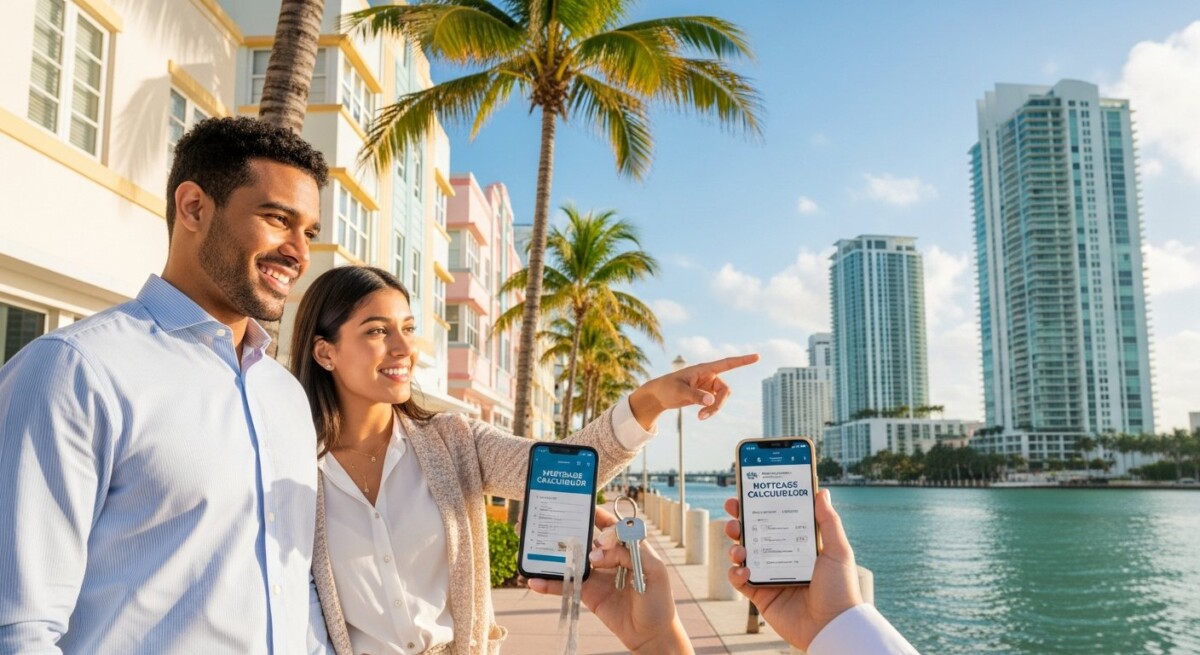

Miami’s real estate market moves fast, and so do its mortgage options. Whether you are eyeing a condo in Brickell, a single-family home in Coral Gables, or an investment property near the beach, understanding how home loans Miami Florida work can save you thousands of dollars and a great deal of stress. The local market has unique characteristics, from high property insurance costs to competitive bidding wars, and your financing strategy needs to account for all of them. This guide breaks down the essential steps, loan types, and local considerations so you can move forward with confidence.
Why Miami Home Financing Is Different
Miami is not like most other housing markets in the United States. The city has a high concentration of international buyers, a strong rental market, and a significant number of cash transactions. These factors influence how lenders assess risk and how quickly you need to act when you find a property you love. Inventory can be tight, and homes often receive multiple offers within days of listing. Having a pre-approval letter from a reputable lender is not just a nice-to-have; it is often the difference between getting your offer accepted and losing out to another buyer.
Another major difference is the cost of homeowners insurance. Florida’s exposure to hurricanes means insurance premiums are substantially higher than the national average. Lenders require insurance on the property, and these elevated costs directly affect your debt-to-income ratio (DTI). When calculating what you can afford, you must factor in these premiums alongside property taxes and potential flood insurance. A mortgage payment that looks manageable on paper can become unaffordable once insurance costs are added.
Finally, the Miami market has a strong presence of condominiums and HOAs. Lenders have specific guidelines for condo financing, especially for buildings with high investor occupancy or pending litigation. You will need to work with a lender who understands these nuances and can guide you through the approval process without unnecessary delays.
Choosing the Right Loan Program
There is no single best mortgage for everyone in Miami. Your choice depends on your down payment capacity, credit profile, and long-term goals. However, a few programs consistently stand out for buyers in this region. Conventional loans are popular for buyers with good credit and a down payment of at least 3% to 5%. They offer competitive rates and flexible terms, though private mortgage insurance (PMI) is required when your down payment is below 20%.
FHA loans remain a strong option for first-time buyers or those with lower credit scores. These loans allow down payments as low as 3.5% and have more lenient credit requirements. The trade-off is that FHA loans require both an upfront mortgage insurance premium and an annual premium, which can make the monthly payment higher than expected. VA loans are an excellent choice for eligible veterans and active-duty service members, offering zero down payment and no ongoing mortgage insurance. If you qualify, this is often the most cost-effective route.
For those considering an adjustable-rate mortgage, Miami’s market can be a good fit if you plan to sell or refinance within a few years. ARMs typically start with a lower fixed rate for an initial period, then adjust annually. This can lower your initial monthly payment, but it carries the risk of higher payments later. If you are exploring this option, our detailed guide on adjustable home loans explains the mechanics and risks in depth.
Jumbo Loans for High-Value Properties
Miami’s luxury market often requires financing that exceeds the conforming loan limits set by Fannie Mae and Freddie Mac. For 2026, the conforming limit for a single-family home in Miami-Dade County is $766,550. If your purchase price exceeds this amount, you will need a jumbo loan. Jumbo loans come with stricter underwriting standards, including larger down payment requirements (often 20% or more) and higher credit score minimums.
Because jumbo loans are not backed by government-sponsored enterprises, lenders hold more risk, which translates into slightly higher interest rates. However, for high-net-worth buyers, these loans can be structured with interest-only periods or asset-based qualification. It is essential to shop around for jumbo loans, as terms can vary significantly between lenders. A lender familiar with Miami’s luxury market will be better equipped to handle complex income situations, such as self-employment or foreign income.
Steps to Secure a Loan in Miami
The path to closing on a Miami home involves several distinct steps. Following this sequence will help you avoid common pitfalls and keep the process moving smoothly.
- Check your credit and finances. Review your credit report for errors and address any issues. Lenders will also look at your income stability, assets, and existing debts. Aim for a credit score above 620 for FHA loans and 680 or higher for conventional loans.
- Get pre-approved, not just pre-qualified. A pre-approval involves a full review of your financial documents and a credit pull. It gives you a concrete loan amount and shows sellers you are a serious buyer.
- Compare loan estimates from multiple lenders. Look beyond the interest rate. Compare the annual percentage rate (APR), closing costs, origination fees, and lender credits. A slightly higher rate with lower fees may be more beneficial in the short term.
- Choose your loan program and lock your rate. Once you have a signed purchase contract, you can lock in your interest rate. Rate locks typically last 30 to 60 days, so timing is crucial.
- Complete the underwriting process. Provide all requested documentation promptly, including bank statements, tax returns, and proof of insurance. Responding quickly to underwriter requests prevents delays in closing.
Each step requires careful attention. For example, during underwriting, lenders will scrutinize large deposits in your bank accounts. Any unexplained funds must be sourced to ensure they are not undisclosed debt. Working with an experienced mortgage advisor can help you navigate these requirements efficiently.
Understanding Local Costs and Closing Expenses
Beyond the down payment, Miami buyers face a unique set of closing costs and ongoing expenses. You should plan for closing costs of roughly 2% to 5% of the loan amount. These include lender fees, title insurance, appraisal fees, and recording charges. In Miami-Dade County, you will also pay a documentary stamp tax on the mortgage and the deed, which can add up quickly on higher-priced homes.
Property taxes are another significant consideration. Miami-Dade County has a relatively high effective property tax rate, and these taxes are often escrowed into your monthly mortgage payment. Additionally, as mentioned earlier, homeowners insurance is a major expense. You should obtain insurance quotes early in the process to ensure the premiums fit within your budget. If your property is in a flood zone, which is common in Miami, you will also need flood insurance. The cost of flood insurance can be substantial, especially for properties near the coast.
When comparing loan offers, pay close attention to the loan estimate document. This standardized form clearly outlines all the costs associated with your mortgage. Comparing these documents side-by-side from different lenders is the best way to find the most competitive deal. A helpful resource for understanding how to evaluate these offers is our guide on finding home loans near me, which provides a broader perspective on the selection process.
Strategies for a Competitive Market
In a hot market like Miami, your financing strategy can make or break your offer. Here are several tactics to strengthen your position.
- Increase your down payment. A larger down payment reduces the lender’s risk and may make your offer more attractive to sellers, especially if you are financing a condo in a building with high investor ownership.
- Consider mortgage points. Paying discount points upfront can lower your interest rate for the life of the loan. This can be a smart move if you plan to stay in the home for many years.
- Get a fully underwritten pre-approval. Some lenders offer a process where your file is fully underwritten before you make an offer. This gives sellers near-certainty that the loan will close, which can be a decisive advantage.
- Limit contingencies. While you should never waive the inspection entirely, offering a shorter inspection period or a small due diligence fee can make your offer stand out.
Each of these strategies involves a trade-off. For example, paying points requires more cash upfront, and a fully underwritten pre-approval requires you to commit to a specific lender early. Weigh these options carefully against your financial reserves and timeline.
Refinancing Options for Miami Homeowners
If you already own a home in Miami, refinancing could help you lower your monthly payment or access equity for renovations. With fluctuating interest rates, it is worth periodically checking whether a refinance makes sense. A rate-and-term refinance replaces your existing loan with a new one at a lower rate, which can reduce your interest costs over time. A cash-out refinance allows you to tap into your home’s equity, which can be used for major expenses like a new roof or hurricane-proof windows.
Before refinancing, consider the closing costs and how long you plan to stay in the home. A good rule of thumb is to refinance only if you can recoup the closing costs through interest savings within the time you expect to remain in the property. Miami homeowners in high-appreciation areas may find that their loan-to-value ratio has improved significantly, giving them access to better rates and terms. For more insights into this process, our article on home loans Charlotte NC offers a comparative look at how local markets can influence refinancing decisions.
Finally, always be wary of loans that seem too good to be true. Unscrupulous lenders may advertise extremely low rates but hide fees or use aggressive sales tactics. Stick with reputable lenders and ask detailed questions about any fee you do not understand. The goal is to secure a mortgage that fits your budget and gives you peace of mind for years to come.
Securing home loans Miami Florida requires preparation, local knowledge, and a clear understanding of your financial situation. By getting pre-approved early, comparing offers, and factoring in all local costs, you position yourself to act decisively when the right property appears. Take the time to build a strong team of professionals, including a knowledgeable loan officer and a trusted real estate agent. With the right approach, you can navigate Miami’s competitive market and secure a mortgage that supports your homeownership goals.


About Landon Hayes
Recent Posts



Find The Best Rates