VA Loan Appraisal: What to Expect in 2026

For veterans and active-duty service members, the VA home loan benefit is one of the most powerful tools for achieving homeownership. It offers competitive rates, no down payment, and no private mortgage insurance. But there is one step in the process that often causes confusion and even anxiety: the VA loan appraisal. Unlike a standard home inspection, which checks the condition of the property, the VA appraisal serves two distinct purposes: it determines the fair market value of the home and it ensures the property meets the VA’s Minimum Property Requirements (MPRs). Understanding how this process works, what appraisers look for, and how to navigate potential issues can mean the difference between a smooth closing and a stressful one. In this guide, we will break down the entire VA appraisal process, from ordering the appraisal to reading the final report, and we will share practical tips for buyers, sellers, and real estate agents. If you are just starting your journey, our guide on how VA loans work can provide the foundational knowledge you need before diving into the appraisal step.
Why the VA Appraisal Is Different from a Home Inspection
Many first-time buyers mistakenly believe that a VA appraisal is the same as a home inspection. They are not. A home inspection is a detailed evaluation of the property’s condition, including the roof, plumbing, electrical systems, and structural integrity. An inspection is optional but highly recommended, and it is for your benefit as a buyer. The VA appraisal, on the other hand, is required by the Department of Veterans Affairs. It is ordered by your lender and performed by a VA-assigned appraiser. The primary goal is to protect the lender and the VA from overpaying for a property. If the home is sold for more than it is worth, and the borrower defaults, the VA and the lender could lose money. Therefore, the appraiser must establish the property’s market value based on recent sales of comparable homes in the area.
In addition to valuation, the VA appraisal includes a checklist of Minimum Property Requirements (MPRs). These are safety, health, and structural standards that the property must meet. For example, the home must have a safe and sanitary water supply, adequate heating, and a sound roof. It must also be free of lead-based paint hazards if built before 1978, and it must not have any obvious structural defects. The MPRs are not meant to be overly strict; they are designed to ensure that the home is safe and livable for you and your family. However, they can sometimes catch issues that a regular inspection might not flag, such as a missing handrail on a staircase or a broken window. Understanding the difference between these two evaluations is crucial, because they serve different purposes and are paid for separately. You will likely pay for both an appraisal and an inspection, but the appraisal is non-negotiable for a VA loan.
How the VA Appraisal Process Works
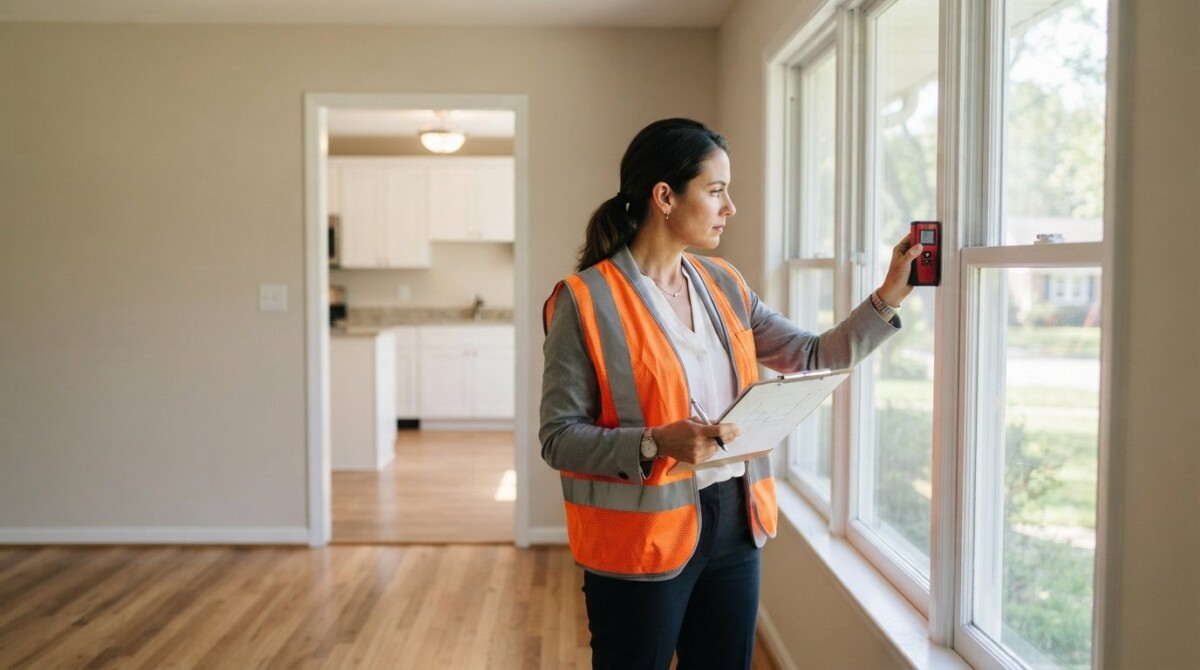
The VA appraisal process begins after you have a signed purchase agreement and your lender has started processing your loan. Your lender will order the appraisal through the VA’s Appraisal Management System (AMS). The system assigns the appraisal to a VA-approved appraiser from a rotating list. You cannot choose your own appraiser; the VA assigns one randomly to ensure impartiality. The appraiser will then schedule a time to visit the property, which typically takes about 30 to 45 minutes. During the visit, the appraiser will measure the home, take photos, and note the overall condition, including any obvious defects that might violate the MPRs. After the physical inspection, the appraiser will research comparable sales in the area, known as “comps,” to determine the home’s value. This part of the process can take a few days to a week, depending on the availability of recent sales data.
Once the appraiser completes the report, it is submitted to the VA and your lender. The report will include the estimated value, a description of the property, and a list of any MPR violations that need to be corrected. The lender will then share the results with you. The entire process, from ordering to receiving the report, typically takes 7 to 10 business days, but it can take longer in busy markets or if the appraiser needs additional time to find comps. If you are working with a tight closing deadline, it is essential to order the appraisal as soon as possible. Your lender can give you a more precise timeline based on your specific situation. To understand how the appraisal fits into the overall timeline, you might want to review our step-by-step VA loan process guide.
Minimum Property Requirements: What Appraisers Look For
The VA’s Minimum Property Requirements are not a full list of every possible defect, but they cover the most critical aspects of a safe and sound home. The appraiser will check for these specific items, and if any are missing or in poor condition, the issue must be resolved before the loan can close. Here are the key areas the appraiser focuses on:
- Safe and sanitary water supply: The home must have a reliable source of clean, potable water. If the home has a well, it must meet local health department standards.
- Adequate heating: The home must have a permanent heating system that can maintain a temperature of at least 50 degrees Fahrenheit in all rooms where plumbing is located. Window units or portable heaters do not qualify.
- Sound roof: The roof must be in good condition, with no leaks or signs of imminent failure. The appraiser will look for missing shingles, sagging, or water stains on the ceiling.
- Electrical and mechanical systems: All electrical outlets, switches, and fixtures must be in working order. The home must have a safe electrical panel, and there should be no exposed wiring or other hazards.
- Structural integrity: The foundation, walls, and roof must be free of major structural problems, such as settling, cracks, or termite damage.
If the appraiser finds any MPR violations, they will be listed in the report as “repair conditions.” Some issues are considered minor and can be repaired easily, such as a broken window or a missing handrail. Others might be more serious, such as a failing roof or a faulty electrical panel. In either case, the repairs must be completed before closing, unless the buyer and seller agree to have the seller make the repairs. If the seller refuses, you may have the option to walk away from the deal or negotiate a lower price, but you cannot close the loan without addressing the issues.
What Happens If the Appraisal Comes in Low?
A low appraisal is one of the most common obstacles in a VA home purchase. If the appraised value is lower than the agreed-upon purchase price, the lender will only approve a loan for the appraised amount. This means you would need to make up the difference in cash, or the seller would need to lower the price. For example, if you agree to pay $300,000 for a home, but the appraiser values it at $290,000, you would need to bring an extra $10,000 to closing, or the seller would need to reduce the price to $290,000. In a competitive market, sellers are often unwilling to lower the price, which can put buyers in a difficult position.
You do have options if the appraisal comes in low. First, you can request a reconsideration of value (ROV). This involves providing the appraiser with additional comparable sales that you or your agent believe support a higher value. Your lender can submit this request to the VA, but it is not guaranteed to change the appraiser’s mind. Second, you can ask the seller to meet you in the middle, perhaps by splitting the difference or offering a credit for closing costs. Third, you can walk away from the deal if the seller is not willing to negotiate. In many cases, a low appraisal can be a bargaining chip, as it provides a concrete reason for the seller to reconsider their asking price. Remember, the appraisal is based on market data, not emotions, so if the comps do not support the price, it is a strong signal that the home is overpriced. For more detailed information on this topic, you can read our in-depth look at the VA appraisal and its impact.
Tips for a Smooth Appraisal Process
While you cannot control the appraiser’s opinion of value, you can take steps to ensure the process goes as smoothly as possible. First, make sure the home is accessible. The appraiser needs to see the interior of the home, including the attic and crawl space, if accessible. If the home is occupied, ask the occupants to have pets secured and to be available to let the appraiser in. Second, provide the appraiser with any information that might support a higher value, such as recent upgrades, a new roof, or energy-efficient improvements. You can share this information with your lender, who can pass it along to the appraiser. Third, be prepared for the possibility of repair requests. Even a well-maintained home might have a minor issue, such as a cracked window or missing smoke detector. Knowing this in advance can help you avoid surprises.
Another important tip is to review the appraisal report carefully once it is completed. Look for any errors in the property description, such as incorrect square footage or the wrong number of bedrooms. A simple mistake can affect the value, so if you spot an error, bring it to your lender’s attention immediately. Finally, keep in mind that the VA appraisal is not a guarantee that the home is in perfect condition. It is a safety and valuation check. You should still get a professional home inspection to identify any hidden issues, such as mold, pests, or faulty wiring that might not be part of the MPR checklist. Combining the appraisal with a thorough inspection will give you the full picture of the home’s condition.
Common VA Appraisal Mistakes to Avoid
Even experienced buyers and agents can make mistakes when it comes to the VA appraisal. One common error is assuming that the appraisal is the same as a home inspection and skipping the inspection to save money. This is a risky move, as the appraisal does not cover all aspects of the home’s condition. Another mistake is waiting too long to order the appraisal, which can delay the entire closing process. If you are in a competitive market, you might be tempted to waive the appraisal contingency, but that is not allowed with a VA loan. The appraisal is mandatory, so you cannot waive it to make your offer more attractive. Instead, you can make your offer stronger by offering to cover the cost of the appraisal upfront, which proves that you are serious about the purchase.
Another common issue is misinterpreting the appraisal report. The report includes a section that rates the property’s condition, from “average” to “good” or “excellent.” If the appraiser rates the home as “average,” it does not mean the home is in poor condition; it simply means it is typical for the area. Similarly, a “repair condition” does not always mean the home is unsafe; it might be a minor issue that the seller can easily fix. Understanding these ratings can help you interpret the report accurately and avoid unnecessary stress. Finally, do not assume that the appraisal is the final word on value. Real estate markets are dynamic, and the appraised value is based on sales that may be several months old. If you believe the appraisal is inaccurate, you have the right to challenge it. But you must do so with evidence, not just your opinion.
How Much Does a VA Appraisal Cost?
The cost of a VA appraisal is not set by the VA; it is determined by the market and the appraiser. On average, you can expect to pay between $500 and $800, depending on the size of the home and the complexity of the appraisal. This fee is typically paid at the time of the appraisal, not at closing. You may be able to roll the cost into your loan, but most buyers pay it upfront. It is important to note that the appraisal fee is non-refundable, even if the loan does not close. The appraisal is also not transferable between lenders or properties. If you switch lenders, you will need to order a new appraisal, which means paying the fee again. If you switch to a different property, the same rule applies. Therefore, it is wise to be sure about your lender and your property before ordering the appraisal.
Some lenders might offer to “waive” the appraisal fee as part of a promotion, but this is rare. More often, the fee is simply included in the total closing costs. You can use our mortgage calculator to estimate your overall monthly payment, but remember that the appraisal fee is a one-time cost, not a recurring one. It is also important to budget for the home inspection, which is separate and typically costs between $300 and $500. The VA does not require an inspection, but it is a wise investment. Together, the appraisal and inspection give you the information you need to make an informed decision about the home.
Final Thoughts on the VA Appraisal
The VA loan appraisal is a critical safeguard that protects both you and the lender. It ensures that you are not overpaying for a home and that the property is safe and structurally sound. While the process can seem intimidating, especially if you are a first-time buyer, it is designed to be straightforward. By understanding the purpose of the appraisal, what the appraiser looks for, and what you can do if issues arise, you can approach this step with confidence. Remember to order the appraisal early, communicate openly with your lender, and always keep the big picture in mind: the appraisal is just one part of the larger journey to homeownership. With the right preparation and a trusted team on your side, you can navigate the VA appraisal and move one step closer to unlocking the door to your new home.


About Landon Hayes
Recent Posts



Find The Best Rates